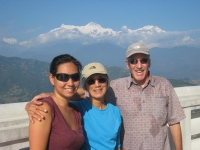
Everest Base Camp: Hike In, Helicopter Out!
Short Everest Base Camp Trek is one of the most exhilarating 12-day trekking experiences in Nepal. This adventure allows you to experience the raw beauty of the Himalayas on foot and return in style and comfort with a breathtaking helicopter flight from Gorakshep after reaching base camp, offering a once-in-a-lifetime adventure at the foot of the world’s highest mountain.
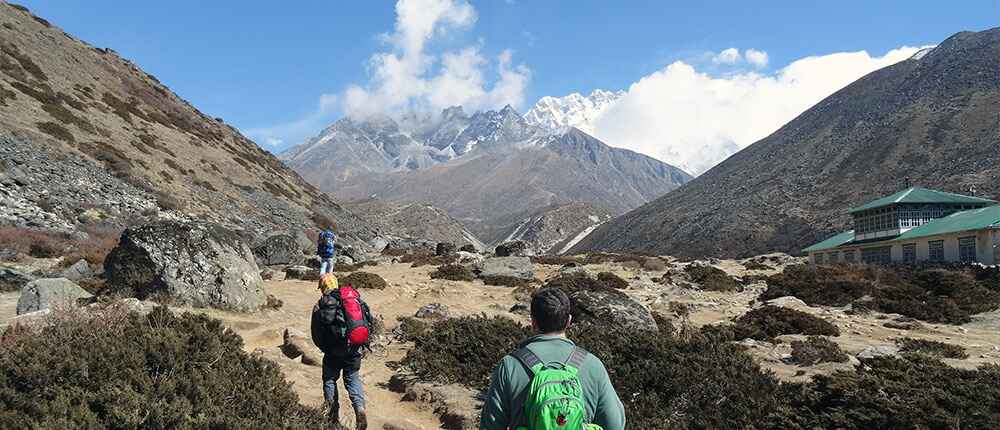
This 12 days Everest Base Camp trekking trip starts with your arrival in Kathmandu. After a restful night in Kathmandu to recover from jet lag, an overland journey, the next day, will take you to Ramechhap for a short thrilling flight to Lukla the following day. The trekking journey begins immediately after reaching Lukla. You will trek through the Charming Sherpa Villages, ancient monasteries and breathtaking Himalayan landscapes, before reaching the Everest Base Camp. Along the way, you will make Phakding, Namche, Deboche, Dingboche, Lobuche and Gorakshep your lodging stops. In addition to comfortable lodging and hearty meals, these overnight stays offer unforgettable mountain and surrounding views and a deep connection to the Sherpa heritage and way of life. Two acclimatization days (one in Namche and the other in Dingboche) are also built into this Everest Base Camp trek itinerary to ease acclimatization and enhance your enjoyment of the area. On the 10th day of your journey, you will stand at the foot of the world’s highest peak- Everest Base Camp. And the adventure doesn’t end there- at sunrise the next morning, you’ll hike to Kala Patthar for the most breathtaking view of Everest. After witnessing the towering face of Everest up close, you’ll board a shared helicopter for a spectacular aerial journey back to Kathmandu, enjoying a bird's-eye view of the route you’ve just completed, instead of retracing your steps on foot. The trip ends with your departure from Kathmandu.
Although this classic trek blends with the luxury of a quick return, it still allows trekkers to enjoy all attractions: unparalleled mountain views (Mt. Everest, Lhotse, Nuptse, Pumori, Ama Dablam, Kusum Kanguru, Thamserku, Taboche, Cholatse, Island Peak, Makalu, Baruntse, Peak 38, Changtse etc.), villages steeped in culture and tradition (Lukla, Namche, Phakding, Deboche, Pangboche etc.), historic and revered spiritual sanctuaries (Tengboche Monastery, Pangboche Monastery and monasteries in around Phakding) and the bustling trade hub (Namche), making it an ideal trek for those seeking the Everest experience with added comfort and efficiency.
Even though this Everest Base Camp Trek package is designed specially for the time-bound trekkers, groups with children and elderly have equally enjoyed and benefited by choosing this package.
Plan this trek around two prime seasons: Spring (March to May) and Fall (Late September to November) to enjoy best weather and trail conditions and temperature and visibility. If you prefer all these conditions but less crowded trails, plan this trip around early March or late November to Early December. The perfect time, even within these seasons, is late-April to early May and late October to early November.
Note: Though conditions are generally favorable during this season, it’s wise to build in a few extra days to account for potential weather-related disruptions to flights or helicopter service.
If you want to complete the entire journey on foot, we offer packages like 12 days Everest Base Camp Trek and 15 days Everest Base Camp Trek.
Nevertheless, if this package does not align with your specific requirements, our team can tailor your trekking package to ensure it aligns perfectly with your preferences and expectations.
Trip Highlights
- Experience Nepal’s countryside with a scenic drive to Ramechhap
- Scenic flight to Lukla Airport and landing experience on one of the most dangerous airports in the world
- First hand experience of the villages: Namche Bazaar, Tengboche, Dingboche, Deboche, Phakding steeped in Sherpa culture and tradition
- Experience of the largest and and the most important spiritual center of the region , the Tengboche Monastery
- Experience of standing at the foot of the word’d tallest peak, Mt. Everest (8,848.86m)
- The best view point in the entire Everest region to view Mt. Everest along with the panorama of Pumori, Lhotse, Nuptse, Ama Dablam, Changtse etc., Kala Patthar(5,545m)
- Scenic and exhilarating helicopter flight back to Kathmandu from Gorakshep- a reduced physical strain with quick return journey
- Sagarmatha National Park, a UNESCO World Heritage Site that preserves mountain ecology
- Well maintained trekking trail, comfortable accommodation and fresh meals
- Scenic acclimatization hikes
- Comfortable hotel accommodation in Kathmandu before and after the trek
Trip Includes
- Round-trip airport transfers between the airport and hotel (private car/jeep/minivan-as per group size)
- 2 Nights twin-share stay with breakfast in Kathmandu (3 Star Standard Hotel). Single supplement applies for solo travelers.
- 1-night twin-share stay with dinner and breakfast in Ramechhap (Resort).Single supplement applies for solo travelers.
- Private transport (car/jeep/minivan based on group size) from Kathmandu to Ramechhap
- Ramechhap-Lukla flight tickets with departure tax
- Shared helicopter transfer from Gorakshep to Kathmandu
- Meals (Breakfast, Lunch and Dinner) during the trek
- 3 cups tea or coffee (served in cups only), every day during the trek
- Seasonal fruits (served as a dessert) every day after dinner
- Unlimited supply of purified drinking water (except at Lobuche and Gorakshep) during the trek
- All accommodation (normal-standard lodges) on a twin-sharing basis during the trek. Single supplement applies for solo travelers. Single room not available in Gorakshep and Lobuche
- Attached bathroom with hot shower facilities in Phakding, Namche and Deboche
- Attached toilet only in Dingboche
- All essential trekking and entrance permits
- A government-licensed, English-speaking, knowledgeable and experienced guide with all associated expenses (Guest-Guide ratio 6:1)
- A dedicated porter with all associated expenses (Guest-Porter ratio 2:1)
- Insurance of guide and porter
- All associated local and government taxes
- Complimentary duffle bag and trekking route map as a souvenir
- Down Jacket and sleeping bag (on rental basis, if required)
- Adventure certificate upon completion of the trek
- Basic First Aid Kit including oximeter
- Farewell Dinner
Trip Excludes
- Nepal arrival visa
- Meals in Kathmandu (except breakfast and farewell dinner)
- Personal expenses such as mineral water, alcoholic/non-alcoholic beverages, extra meals, snacks, extra tea or coffee, any other hot or cold beverages except tea and coffee, hot water for drinking or any other purpose, extra hot shower service, laundry service etc.
- WiFi, battery charging and SIM card
- Helicopter transfer service for guide and porter
- Cost of extra luggage levied by Lukla flights (total 15 kilograms allowed)
- Extra porter (if required)
- Meals, accommodation and transportation in Kathmandu in case of early return from the trek
- Cost of accommodation and meals in Ramechhap and in the Everest region in case of flight cancellation caused by weather or any other unforeseen situation
- Tips (as an appreciation) to the service providers
Useful Information
Since the itinerary covers 12 days which is regarded as one of the shortest trek to Everest Base Camp, the trek requires excellent stamina and endurance. Thus, we suggest you to train before coming for the trek. Physical training is important but so is mental training. The culture, altitude and change in lifestyle can leave an impact for long term. Thus, prepping both mentally and physically can be of a great help once we are in the mountains.
Likewise, High Altitude Sickness (Acute Mountain Sickness) is another common difficulty that arises during the trek. Altitude sickness is a physical condition that occurs in higher elevation due to change in air pressure causing nausea, diarrhea, fever and loss of appetite or even fatal death. Everest Base Camp lies at an altitude of 5364m, trekkers might still anticipate problems of altitude sickness. In such cases, your team leader will make the arrangements for you to hike down, instead of continuing further. We request you to be flexible and follow the instruction of the team leader. It is also good to have physical and mental preparation before opting for the trek. No major technical skill is required to plan Everest Base Camp trek in Nepal. However, prior hiking or camping experiences will definitely be considered as a plus point. Also, a few weeks of regular exercises like jogging, running, swimming, cycling, uphill climbing is highly recommended to build the required stamina, before the trip.
Why Trek with Adventure Mountain Explore to Everest Base Camp?
Valuing our customers’ preference and time, we have come up with a short trek that will let you enjoy the beauty of the Himalayas without extending your time frame. Nevertheless, we can fully be customized in order to meet your needs, time and interest. We also value our customers’ safety and preference thus we request you to coordinate with your Tea Leader. Similarly, we also partner with local Sherpa to help you get the maximum information and benefit out of the trip and also to support sustainable tourism. We are highly dedicated and offer years of experience to plan an outstanding adventure trip for you. Despite all these facilities, our best packages are offered at a very competitive rate.
When should I plan this trek?
Though Nepal can be visited any time of the year, the best season to plan the trek is Spring and Autumn.
Spring – Mid- March , April, and May , are the perfect months. These months support us with warm weather, clear skies, good temperature and the best visibility.
Autumn – Mid-September, October, November, are the perfect months to plan the Everest Base Camp Trek. These months are also favorable in terms of better visibility, warm weather, clear blue skies and excellent trail.
Winter – December, January and February, are not good months to plan the Everest Trek since the area gets dense with snow and the trails also close due to extreme conditions.
Summer - Mid June, July and August are not the best months to trek as the monsoon rain affects the trail and the visibility; however, on request the trek can be arranged at this time of the year.
What should I bring?
Along with warm clothes you will also need other equipment for the sufficient protection of your body. Below is the list of necessary items that you need to pack before commencing your trek.
Head- Hat (with a wide brim), Sunglasses (with UV protection), Sunscreen lotion and Lip balm
Upper body- T-shirts (2), light and expedition weight thermal tops, Fleece jacket and pullover, Fleece wind-stopper jacket (Optional), waterproof (preferably breathable fabric) shell jacket, down vest/jacket (included)
Hands - Lightweight gloves, heavy-weight gloves/mittens with a waterproof outer shell
Lower body - Underwear (4), hiking shorts (2), lightweight cotton long pants, light and expedition weight thermal bottoms, Fleece or wool pants, waterproof (preferably breathable fabric) shell pants
Feet - Thin, light-wear inner socks (4), thick, warm wool hiking socks (4), hiking boots with spare laces, camp shoes (sneakers and/or sandals), gaiters.
Accessories - Headlamp with spare bulb and batteries, small padlock or combination lock, basic first aid kit, large plastic bags (for keeping items dry inside trek bag), day pack, water bottles (2), hiking pole/walking sticks, small ear plugs, fanny bags for your valuables.
Toiletries – Soap, shampoo, toothbrush, small wash towel
Extras - Cameras with extra batteries and cards, binoculars, light balaclava or warm fleece hat, reading books, trip map/guide book, journal & pen, iPod, water purification tools or tablets.
Please leave your extra luggage in the hotel in Kathmandu (free storage is available) and pack as lightly as possible.
Extra Money for Personal Expenditure
We suggest you to bring some extra money for extra expenses like drinks, shopping and tipping, as the trip cost does not include the cost of extra expenses.
We also request you to set aside USD 200 (or an amount equivalent to USD 200) as an emergency fund. This fund is kept as security money during the trek and will be utilized in the case of any changes in the itinerary caused by unforeseen natural disaster.
Tipping during the trek
You can tip your service providers to show your gratitude and satisfaction. You can tip your service providers like guides, porters, drivers and waiters. The tip amount entirely depends upon your wish. However, there is a custom of tipping 10% of the total trip cost in the ratio of 60:40 (60% of the total tip amount to the guide and 40% to the porter) to the guide and porter.
Health, Medication and Medical Facilities during the trek
The treks demand excellent stamina, and the best health conditions as most of the days require 6-8 hours walk. Therefore, we suggest you get a physical examination at east 4-6 weeks prior to the trek and seek advice, medication as well as the permission from your doctor, before the trip. We also recommend you take expert guidance from your local General Practitioner with expertise in altitude illness and travel medicines. Please get screened for hypertension, diabetes mellitus, anemia, ulcer disease, cardiovascular disease and lung related problems. Any person with a strong family history or over the age of 40 should make cardiovascular risk assessment. Getting a good dental checkup and identifying medicines that you are allergic to are a must. Make sure you are immunized and vaccinated against measles, mumps, rubella, tetanus, diphtheria, pertussis, varicella, Hemophilus influenza type b infection, Hepatitis A and B Typhoid, rabies, yellow fever, cholera, meningococcal disease and encephalitis. In the absence of GP, please seek advice from travel clinics.
Please carry your regular personal medicines along with a First Aid kit. Also add blister kit, sunscreen, bandages, insect repellent containing DEET, topical antibiotic cream, iodine tablets and /or water filter, Diamox or Acetazolamide, Acetaminophen or Tylenol for analgesia, Ibuprofen or Advil for analgesia and as an anti-inflammatory agent, Immodium or Lomotil for diarrhea, Afrin-a nasal decongestant, Pepcid or Zantac for heartburn, an antibiotic, especially a Quinolone such as Ciprofloxacin or Leavaquin, pain medicine such as Tylenol with codeine or Hydrocodone and if you are prone to exercise-induced Asthma or Asthma associated with bronchitis or upper respiratory infections, bring Asthma inhaler. Kindly inform us regarding your present health condition, medical situation, preceding illness and the medicines you are taking, so that we can get prepared for emergencies.
Most of the general hospitals and private clinics are available in Kathmandu, therefore, finding a good medical facility isn’t difficult in the capital. However, the Himalayan Rescue Association (HRA) operates aid posts in Pheriche (Khumbu) managed by expatriate physicians, during the peak trekking seasons. With an aim to reduce the deaths among trekkers, it provides free advices to trekkers on altitude sickness, equipments and the condition of the trekking routes.
Safety and Security during the trek
Your safety is our priority. Therefore, the team leader is given a full authority to amend or cancel the itinerary in the case of unforeseen circumstances, like sudden weather changes, natural disaster, and bad health of a group member or any kind of violent protest or demonstrations.
For the security of your belongings, like passport, air tickets, traveler checks, cash, and other valuable items, it is highly recommended that you bring a neck wallet or a money belt to carry these items. Try not to bring any valuable belongings like jewelry. Even if you bring, we recommend you to safely store in the deposit boxes in the hotel in Kathmandu. Also bring a lock to secure your luggage.
Remember! Neither the team leader nor the company will be responsible for the security involved during any extra activities not included in the itinerary.
Travel Insurance
Getting travel insurance is a must, if you are looking for the Everest Base Camp Trek. Your travel insurance should cover all the additional expenses that might result due to various health issues, injuries or accidents (together with air ambulance, helicopter rescue or other treatment cost). Your insurance policy should also cover all extra activities that you are planning to during your stay in Nepal. Moreover, the policy should also cover death, misplaced luggage, theft and liability, cancellations, medical treatment (hospital charges, medicine charges and the doctor’s fee) as well as the repatriation cost. This trek takes you over the 4000m, therefore, make sure that you get an insurance policy that covers the treks that go over 4000m.
Visas to enter Nepal
All foreign nationals (except Indians and Chinese) require a visa to enter Nepal. Therefore, we request you arrange visas before you travel. Visas can either be obtained from the nearest Embassy/Consulate or Mission offices in your own country or upon your arrival at Kathmandu’s Tribhuvan International Airport. To apply for a visa, you need 2 passport sized photographs, Visa fees in US dollars and your passport that is valid for at least 6 months before the trip. Transit visa for foreign nationalities is only provided for 3 days. For the convenience of foreign nationals, visas are also provided from the borders listed below:
Tribhuvan International Airport (Kathmandu)
Kakarvitta, Jhapa (Eastern Nepal)
Birgunj, Parsa (Central Nepal)
Kodari, Sindhupalchowk (Northern Border of Nepal)
Belhiya, Bhairahawa (Western Nepal)
Jamuna, Nepalgunj (Mid Western Nepal)
Mohana, Dhangadhi (Far Western Nepal)
Gaddachauki, Mahendranagar (Far Western Nepal)
Tourist Visa Fees:
Transit visa (3 days) Free of cost
Multiple entry (15 days) 30 USD or equivalent convertible currency
Multiple entry (30 days) 50 USD or equivalent convertible currency
Multiple entry (90 days) 125 USD or equivalent convertible currency
(For more information, please contact the Department of Immigration, Kalikasthan, Dillibazar, Kathmandu.
Tel: 00977-1-00977-1 422199 / 4433934 / 4429660 / 4438862 / 4438868.