A Jatra is a traditional festival in Nepal, involving religious processions, communal celebrations, and cultural performances, to honor gods and traditions. Indra Jatra also called as Yenya Punhi is one of the most signi
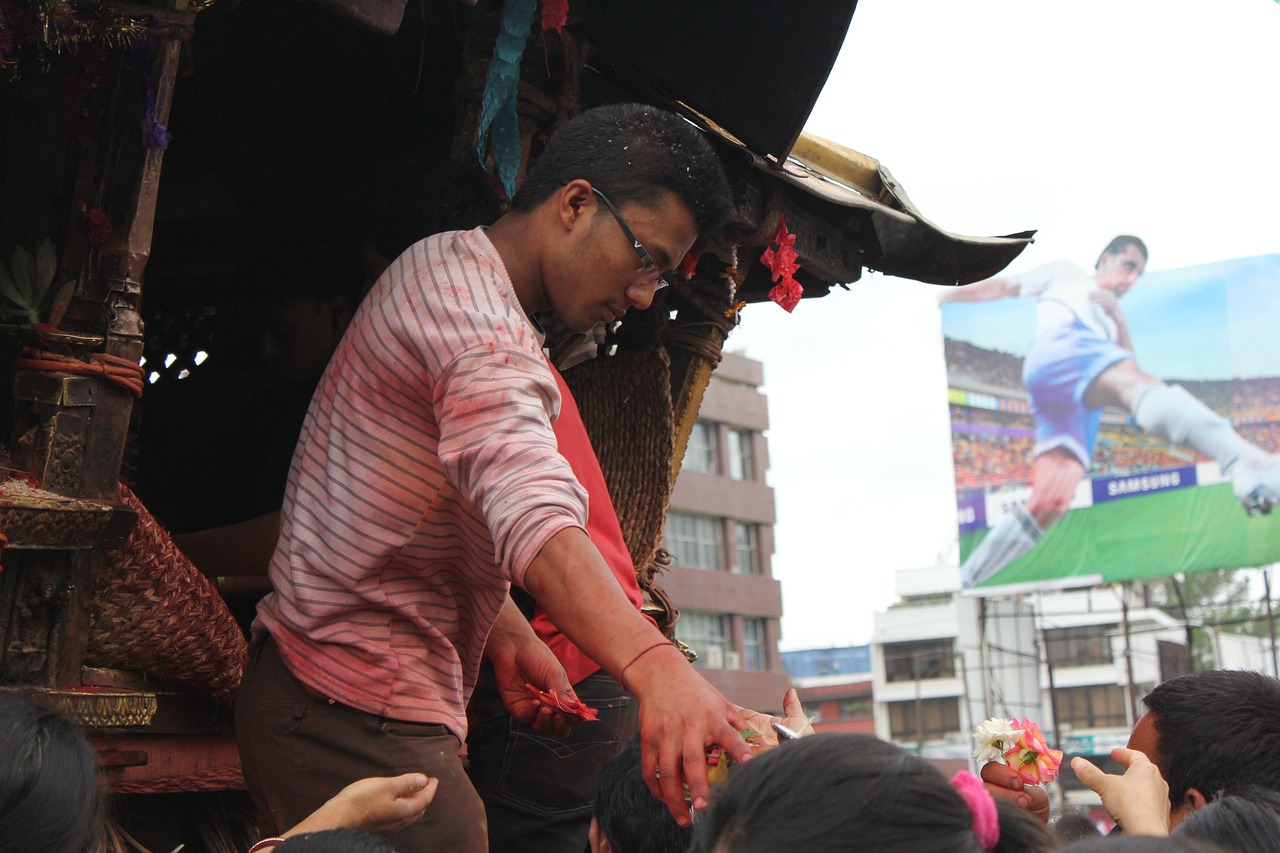
A Jatra is a traditional festival in Nepal, involving religious processions, communal celebrations, and cultural performances, to honor gods and traditions. Indra Jatra also called as Yenya Punhi is one of the most significant festivals celebrated in Kathmandu, Nepal, particularly by the Newar community. The colorful event highlights the Kathmandu Valley's abundance in both history and culture.
Historical and Cultural Belief
Indra Jatra is dedicated to Indra, the Hindu god of rain and king of heaven. According to Hindu mythology, Indra plays a crucial role in controlling rainfall and weather patterns, which is vital for the agrarian society of Nepal. The festival is also deeply linked to the living goddess Kumari, where her procession (Kumari Jatra) is a central event. Kumari, a young girl believed to be the incarnation of goddess Taleju, is revered and taken around Kathmandu in a grand chariot during the festival.
Myths Towards Indra Jatra
According to a mythology, Indra came to Earth in human form to find his mother a unique flower known as Parijat. The people of Kathmandu, not recognizing him, captured and imprisoned him. When his mother came to release him, she revealed his divine identity. The people then released Indra and offered prayers for forgiveness. As a reward, Indra promised good rainfall for crops, thus linking the festival to agriculture and the end of the monsoon season.
Traditionally, Indra Jatra takes place in Nepal during the month of Bhadra (August/September). It marks the end of the monsoon season, a time crucial for harvesting. The festival lasts for eight days, beginning with the raising of the ceremonial Yosin or Linga, a wooden pole, at Kathmandu Durbar Square. The festival has immense cultural and religious significance, symbolizing the harmony between Hinduism and Buddhism in the Kathmandu Valley. In essence, Indra Jatra is a celebration of life, death, nature, and divinity, deeply rooted in Nepalese culture and Newar traditions.
Tags:
#Indra jatra
#Indra Jatra clebrated
#Jatra
#Jatra in Nepal
#Goddess Kumari
#Indra jatra in kathmandu
Share this article
A
admin
Crafted for travellers who want grounded planning insight, mountain context, and a clearer feel for the journey before they go.