Nepal is a land many people dream of visiting: great mountains, old temples, kind people. But right now, many travellers are asking the same question: “Is Nepal safe to visit right now?” The answer is not simple. Nepal i
Nepal is a land many people dream of visiting: great mountains, old temples, kind people. But right now, many travellers are asking the same question: “Is Nepal safe to visit right now?” The answer is not simple. Nepal is facing Gen-Z protests, sudden curfews, and travel warnings from different countries. If you’re thinking of going (or already here), here’s what’s going on now, what authorities are doing, and how safe tourists are in Nepal in 2025. What Sparked the Protests & What Happened On 4 September, the Nepal government banned 26 social media platforms (including Facebook, X/Twitter, YouTube) for not registering under a new regulation. This upset many people, especially Gen-Z. Protests began in Kathmandu and spread to other cities over corruption, nepotism, and what many felt was government overreach. Things escalated: government buildings, including the federal parliament and the Supreme Court, were set on fire. Several people died in clashes between protesters and police. Curfews and security forces were deployed. Who’s in Charge Now & What the Government Is Doing Former Prime Minister K.P. Sharma Oli resigned after the protests became widespread. An interim government was formed on 12 September, led by Sushila Karki, the first female Prime Minister of Nepal. The new government has promised to investigate what led to the protests, to give compensation to families of those killed, and to take care of the injured. The government also lifted the social media ban. Curfews in Kathmandu and surrounding areas have been mostly lifted, and calm is returning. Markets and streets are reopening. What the Nepal Army Is Doing The Army has been deployed widely to restore order, patrols in Kathmandu, setting up checkpoints, and enforcing curfews when needed. They issued warnings: acts like looting, vandalism, and arson will be treated as crimes. Anyone who found doing those will face legal consequences. With curfews lifted in many places, the Army says it aims to protect lives and property, especially in high-risk areas. They are also helping reopen essential services. What the Tourism Board (NTB) & Tourism Industry Are Saying
- According to Reuters, tourism arrivals have dropped about 30% compared to the same time last year. Many tourists canceled bookings.
- Deepak Raj Joshi, CEO of Nepal Tourism Board, says the industry wants to be honest with visitors telling them which areas are stable, which are risky.
- The Tourism Board is pushing messages that Nepal is “slowly recovering” and “completely safe for travellers” now that things have calmed. But they also ask tourists to exercise caution.
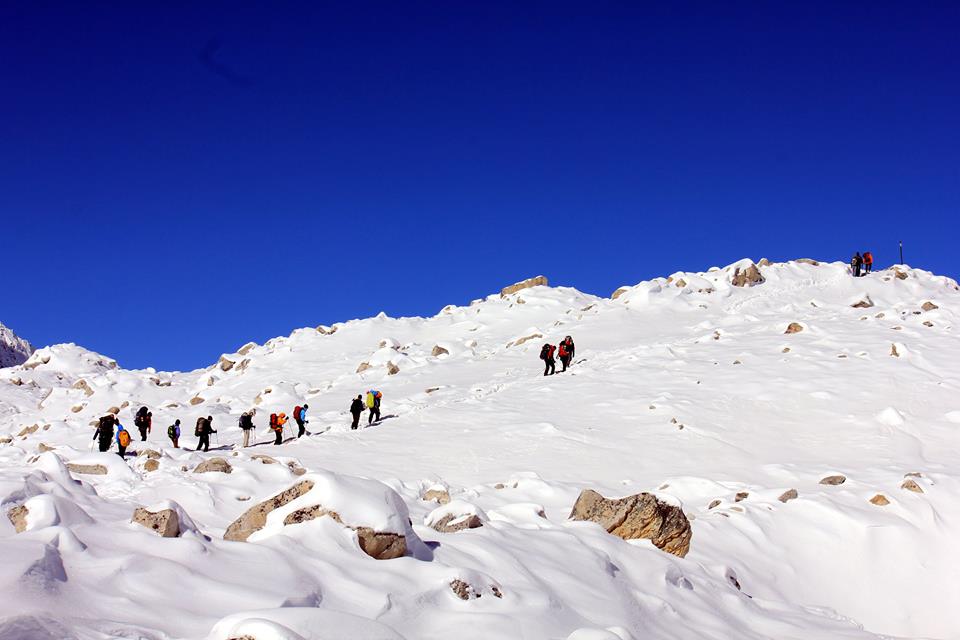
- Some visitors who stayed say they felt safe, especially outside Kathmandu. Trekking routes, rural areas, and tourist spots away from conflict zones have fewer disruptions.
- In Kathmandu and nearby areas, people saw curfews lifted, traffic returning, shops reopening. But signs of damage remain (burned buildings, closed roads).
- Some flights were delayed or cancelled early in the unrest, but airports are mostly operating now.
- Stay updated: Follow local news, check NTB’s announcements, and see if your country has issued a travel advisory.
- Use official / trusted guides and accommodations: Local guides know which areas are safe. Better to stay with tour operators who have good reputations.
- Have flexible plans: Keep bookings with free cancellation or postpone if necessary.
- Carry emergency contacts: Your embassy, hotel/guesthouse, and police.
- Keep essentials ready: Sometimes, services like transport, shops may close early. Have some cash, water, food, and medicines.
- If your travel plans are flexible, I’d wait a little while more so things stabilize further.
- But if you must travel soon, going to trekking regions or rural areas is safer right now than being in big cities like Kathmandu during unrest.
- The fact the government is newly formed, curfews are lifted, and tourism authorities are encouraging visitors are all good signs.
- Is Nepal safe to travel right now?
- Are flights to Nepal operating normally?
- Can I still go trekking in Nepal?
- What is the Nepal government doing to keep tourists safe?
- How is the Nepal Tourism Board (NTB) helping tourists?
- Should I postpone my trip to Nepal?
- What should I do if a curfew is announced during my stay?
Tags:
#protest in nepal
#safety of tourist
Share this article
B
Bandana Gotame
Crafted for travellers who want grounded planning insight, mountain context, and a clearer feel for the journey before they go.