Things to know before you plan your trek to the Everest Base Camp The Everest Base Camp Trekking is the most popular and the best of all other trekking around the world. Apart from the base camp of Mt. Everest, the view
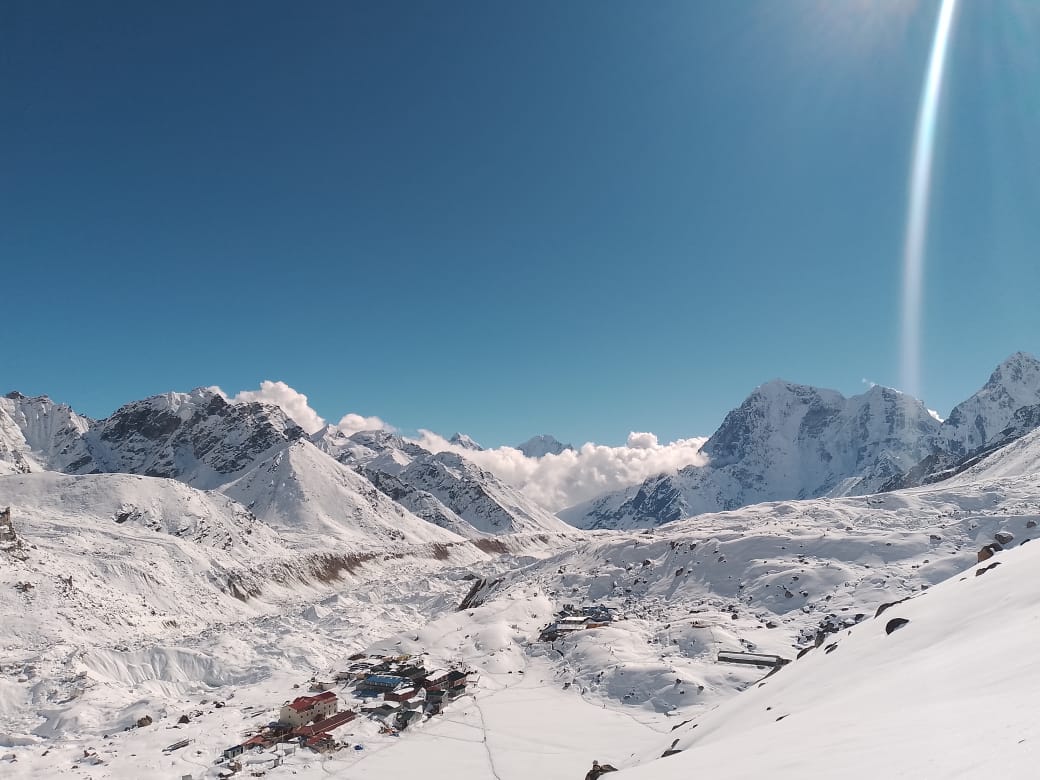
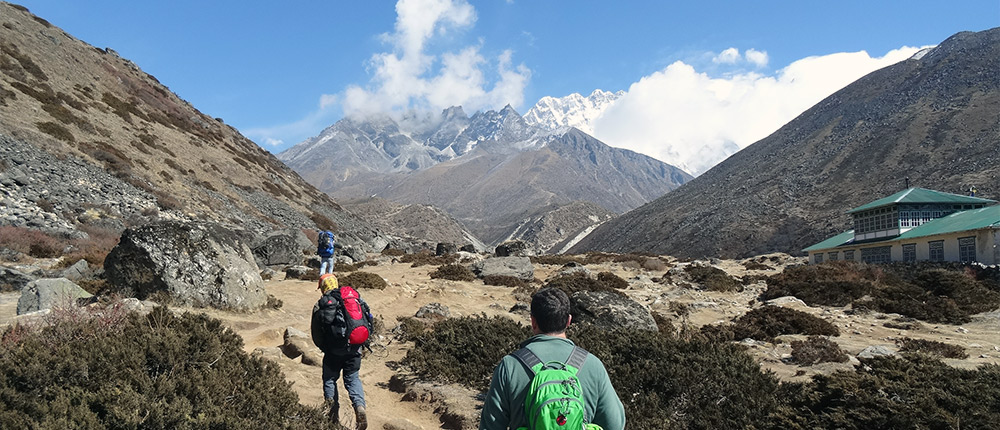
Things to know before you plan your trek to the Everest Base Camp The Everest Base Camp Trekking is the most popular and the best of all other trekking around the world. Apart from the base camp of Mt. Everest, the view of some of the tallest peaks in the world, beautiful scenery, amazing landscape, supportive trail, and the famous hospitality of the Sherpa people make this destination trekkers’ all time favorite trekking destination. Therefore, every year, during the peak trekking seasons, that is, Spring (March-May) and Autumn (September to November) the country receives lots of tourist, who are here with a motive to get to the base camp of the highest mountain in the world, the Mt. Everest. Although the success rate, every year, is higher than expected, some of these trekkers fail to reach the destination. The success rate entirely depends on the planning and the preparation of the trekker, prior to the trek. However, proper planning is impossible, if you lack proper information. Therefore, through this article we would like to share some information that we believe will be helpful in planning your next trekking to the Everest Base Camp. Everest Base Camp Trekking Route Getting to the base camp of the Mt. Everest is possible via three different routes. The first one is the standard route, followed by most of the trekkers heading towards the Everest Base Camp. Starting Lukla, the night stops during the way up, include Phakding, Namche, Tengboche, Dingboche, Lobuche and Gorakshep and during the way down includes Pheriche, Namche and back to Lukla. Acclimatization day, one day each at Namche and Dingboche. Click https://www.ametreks.com/itinerary_detail/88/everest_base_camp_trek to view the detailed itinerary. The second one is via the Three High Passes. Starting Lukla, the way up night stops include, Phakding, Namche, Thame, Lumde, Gokyo via Renjo La, Thaknak, Dughla via Cho La and Gorak Shep and the way down night stops include, Lobuche, Chukung via Kongma La, Tengboche, Namche and back to Lukla. Click https://www.ametreks.com/itinerary_detail/80/everest_three_high_passes_trek to view the detailed itinerary. The third one is via Gokyo Lake and Chola Pass. Starting Lukla, the way up night stops include, Phakding, Namche, Dole, Machharmo, Gokyo, Dragnak, Djungla via Chola La, Lobuche and Gorak Shep and the way down night stops include Pheriche, Namche, and back to Lukla. Acclimatization day, one day each at Namche and Gokyo. Clickhttps://www.ametreks.com/itinerary_detail/89/everest_base_camp_trek_with_gokyo_lake_and_chola_pass to view the detailed itinerary If you have more that two weeks time, the second and the third are the best options, however, if you are bound by time, choose the first option, as it is the shortest and the direct among the three routes. Most of the companies have standard packages for all three routes. Nevertheless, some companies also offer the option to customize the package as per the needs and the requirements of the customer. Getting the body prepared for the Everest Base Camp Trek After the package, the next thing that you should focus on is getting your body prepared for the trek. Although, the Everest Base Camp Trekking is not technical, the journey from Lukla to the base camp is entirely on foot. Moreover, challenging the altitude without getting prepared is not possible. If you are really looking for success on high altitude, then being in strong physical shape is very essential. Consult your doctor or local General Practitioner regarding your present health condition and the necessary work outs needed to get in shape required to sustain constant high altitude.  Cardiovascular endurance, strength training and hiking are some of the best way to prepare yourself for the trekking. Trekking becomes relatively easier, if you involve yourself in intense physical activities, at least 4 days a week, 3-4 months before the trek begins. Exercises like running, walking on an inclined treadmill, stair stepping or step mill training, trail running, working on an elliptical machine, up and downhill walking, and step aerobics are some of the best suggest exercises for cardiovascular endurance. Training with free weights, bands, a backpack, bodyweight exercises or gym machines targeting lower back, abdominal, upper back and legs have been considered the best ways to train for strength. Moreover, some hiking and camping experiences prior to the trekking will also contribute to the successful completion of the trek. Note: Buy a strong trekking boot and be used to wearing them, before leaving for the trek. Accommodation during the Everest Base Camp Trek The Everest or the Khumbu region in Nepal offers accommodation ranging from basic teahouses to lodges to hotels offering the service of 5 Star standard. The accommodations offered by teahouses and lodges are basic, usually 2 beds with mattress, pillow and bed sheet (quilts available on request) with a very less or no furniture. Usually the accommodation is arranged on a twin-shared basis, where the trekker will have to share the room and the room amenities with another member of the group. A single supplement is also available at extra cost. The toilets are usually common. Hot shower facilities are usually very less, however, a bucket of hot water will be made available if you are ready to pay for it. Nevertheless, booking 5 star standard accommodation allows you to enjoy the 5 star quality room and room amenities even in the Khumbu region of Nepal. Dinner and breakfast are provided in the accommodation itself, during the Everest Base Camp Trekking. Food during the Everest Base Camp Trek Breakfast, Lunch and Dinner are the major meals of the day. Breakfast and dinner are served in the accommodation, while the lunch is served in in one of the tea houses en route. For breakfast, most tea houses have fixed set, that is, eggs, potatoes, toast, tea and coffee. However, the tea houses also present you the option of freshly made chapatti, porridge, and pancakes. Jam, butter and honey are also made available on request. Although Sherpa stew, pasta, potatoes, and noodles are available for lunch and dinner, the best food option is traditional Nepali food, that is, Rice, lentil soup, curries, pickle and salad. The perfect diet for the amount of carb required by the body to ascend further. It is also good to avoid hard-to-process hiking foods like meat and rich fatty foods. Go for heavy lunch and lighter dinner. Make sure to drink plenty of water to keep yourself hydrated. Drinking water is available, but the cost rises with the rise in altitude. Communication during the Everest Base Camp The internet cafes are available in Lukla, Namche and in a few other villages en route to EBC. These internet cafes charge more compared to the cafes in Kathmandu or other cities in Nepal. Some teahouses offer satellite or wire phone service, which can also be used to communicate with your friends and family back home. Nevertheless, mobile communications are now available trekkers can also buy a new SIM card Ncell or NTC and use their own mobile phone to communicate. Community or Cultural Experience The Khumbu region is a home to Legendary Sherpa. Therefore, if you are planning an Everest Base Camp Trek or any other treks in the Everest region, get ready to get acquainted with the people belonging to the Sherpa community and their lifestyle, settlement, culture, tradition, religion, food and language. If you are a cultural enthusiast and looking to know more about their culture, planning your trekking around late October and early November will present you the opportunity to participate in the Mani Rimdu Festival, one of the most important festival for the Sherpas residing in the Khumbu region of Nepal. Your travel agency can help you plan out a package that will help you to enjoy both culture and nature. For example, choosing this https://www.ametreks.com/itinerary_detail/107/mani_rimdu_festival__amp__everest_view_trek package will allow you to enjoy the festival in the Khumbu region along with the view of the Mt. Everest, without getting to the base camp. Travel Insurance Travel insurance is a must, if you are planning the Everest Base Camp Trek. Travel insurance should cover you for evacuation in the case of natural disaster and political unrest, emergency helicopter rescue in case of bad health or life threatening accidents, medical expenses and the cost of additional adventure activities not mentioned in the itinerary. The policy should also cover treks that go over 5000m. Solo Female or Group? If you are a female looking to travel solo, it is definitely possible to do that with the help of guide and porter. But it’s always good to travel in a group. It is best in terms of safety and security. If you do not have a group, trekking companies can help you find the best group. By joining the group, you will be safe and secure and will also be saving a lot as you will be sharing the services and facilities with another member of the group. Electricity and battery charging facilities Most teahouses are lit using solar power. Most of these tea houses have solar panels that are used to charge devices or batteries. Trekkers can use this service, but at extra cost. However, these solar panels do not work if the panels do not get the required amount of sunlight for several days. Therefore, it’s recommended that you carry extra batteries. Altitude sickness As this trekking route goes over the altitude of 4000m, there is a very high chance of getting altitude sickness. Therefore, do not rush to get towards the destination, go slow, follow the itinerary, make sure to acclimatize after gaining every 900m altitude and take required preventive measures. Click https://www.ametreks.com/blog/altitude-sickness-your-question-our-answer/ for more information on altitude sickness. Permits The Everest region is declared as “permit free” areas. Therefore, no special permit is required to trek this region in Nepal; however, National Park fees are definitely required to enter the national park area. Moreover, in order to control illegal trekking operations and to ensure trekkers’ safety and security the provision of Trekkers’ Information Management System (TIMS) has been implemented. Therefore, all trekkers, doing the Everest Base Camp trek are required to obtain the TIMS permit. Two photographs and a copy of passport are the required documents to obtain TIMS permit. Both, Free Individual trekkers (FIT) or group trekkers are required to carry TIMS throughout their trek and show it to TAAN/NTB authorities and national park, conservation areas and police check posts, during the Everest Base Camp Trek. (Note: TIMS is non-transferable and valid only for single entry.) The Packlist Make sure to pack as lightly as possible, if you are planning the Everest Base Camp Trek, however, make sure to include the things mentioned below:
Cardiovascular endurance, strength training and hiking are some of the best way to prepare yourself for the trekking. Trekking becomes relatively easier, if you involve yourself in intense physical activities, at least 4 days a week, 3-4 months before the trek begins. Exercises like running, walking on an inclined treadmill, stair stepping or step mill training, trail running, working on an elliptical machine, up and downhill walking, and step aerobics are some of the best suggest exercises for cardiovascular endurance. Training with free weights, bands, a backpack, bodyweight exercises or gym machines targeting lower back, abdominal, upper back and legs have been considered the best ways to train for strength. Moreover, some hiking and camping experiences prior to the trekking will also contribute to the successful completion of the trek. Note: Buy a strong trekking boot and be used to wearing them, before leaving for the trek. Accommodation during the Everest Base Camp Trek The Everest or the Khumbu region in Nepal offers accommodation ranging from basic teahouses to lodges to hotels offering the service of 5 Star standard. The accommodations offered by teahouses and lodges are basic, usually 2 beds with mattress, pillow and bed sheet (quilts available on request) with a very less or no furniture. Usually the accommodation is arranged on a twin-shared basis, where the trekker will have to share the room and the room amenities with another member of the group. A single supplement is also available at extra cost. The toilets are usually common. Hot shower facilities are usually very less, however, a bucket of hot water will be made available if you are ready to pay for it. Nevertheless, booking 5 star standard accommodation allows you to enjoy the 5 star quality room and room amenities even in the Khumbu region of Nepal. Dinner and breakfast are provided in the accommodation itself, during the Everest Base Camp Trekking. Food during the Everest Base Camp Trek Breakfast, Lunch and Dinner are the major meals of the day. Breakfast and dinner are served in the accommodation, while the lunch is served in in one of the tea houses en route. For breakfast, most tea houses have fixed set, that is, eggs, potatoes, toast, tea and coffee. However, the tea houses also present you the option of freshly made chapatti, porridge, and pancakes. Jam, butter and honey are also made available on request. Although Sherpa stew, pasta, potatoes, and noodles are available for lunch and dinner, the best food option is traditional Nepali food, that is, Rice, lentil soup, curries, pickle and salad. The perfect diet for the amount of carb required by the body to ascend further. It is also good to avoid hard-to-process hiking foods like meat and rich fatty foods. Go for heavy lunch and lighter dinner. Make sure to drink plenty of water to keep yourself hydrated. Drinking water is available, but the cost rises with the rise in altitude. Communication during the Everest Base Camp The internet cafes are available in Lukla, Namche and in a few other villages en route to EBC. These internet cafes charge more compared to the cafes in Kathmandu or other cities in Nepal. Some teahouses offer satellite or wire phone service, which can also be used to communicate with your friends and family back home. Nevertheless, mobile communications are now available trekkers can also buy a new SIM card Ncell or NTC and use their own mobile phone to communicate. Community or Cultural Experience The Khumbu region is a home to Legendary Sherpa. Therefore, if you are planning an Everest Base Camp Trek or any other treks in the Everest region, get ready to get acquainted with the people belonging to the Sherpa community and their lifestyle, settlement, culture, tradition, religion, food and language. If you are a cultural enthusiast and looking to know more about their culture, planning your trekking around late October and early November will present you the opportunity to participate in the Mani Rimdu Festival, one of the most important festival for the Sherpas residing in the Khumbu region of Nepal. Your travel agency can help you plan out a package that will help you to enjoy both culture and nature. For example, choosing this https://www.ametreks.com/itinerary_detail/107/mani_rimdu_festival__amp__everest_view_trek package will allow you to enjoy the festival in the Khumbu region along with the view of the Mt. Everest, without getting to the base camp. Travel Insurance Travel insurance is a must, if you are planning the Everest Base Camp Trek. Travel insurance should cover you for evacuation in the case of natural disaster and political unrest, emergency helicopter rescue in case of bad health or life threatening accidents, medical expenses and the cost of additional adventure activities not mentioned in the itinerary. The policy should also cover treks that go over 5000m. Solo Female or Group? If you are a female looking to travel solo, it is definitely possible to do that with the help of guide and porter. But it’s always good to travel in a group. It is best in terms of safety and security. If you do not have a group, trekking companies can help you find the best group. By joining the group, you will be safe and secure and will also be saving a lot as you will be sharing the services and facilities with another member of the group. Electricity and battery charging facilities Most teahouses are lit using solar power. Most of these tea houses have solar panels that are used to charge devices or batteries. Trekkers can use this service, but at extra cost. However, these solar panels do not work if the panels do not get the required amount of sunlight for several days. Therefore, it’s recommended that you carry extra batteries. Altitude sickness As this trekking route goes over the altitude of 4000m, there is a very high chance of getting altitude sickness. Therefore, do not rush to get towards the destination, go slow, follow the itinerary, make sure to acclimatize after gaining every 900m altitude and take required preventive measures. Click https://www.ametreks.com/blog/altitude-sickness-your-question-our-answer/ for more information on altitude sickness. Permits The Everest region is declared as “permit free” areas. Therefore, no special permit is required to trek this region in Nepal; however, National Park fees are definitely required to enter the national park area. Moreover, in order to control illegal trekking operations and to ensure trekkers’ safety and security the provision of Trekkers’ Information Management System (TIMS) has been implemented. Therefore, all trekkers, doing the Everest Base Camp trek are required to obtain the TIMS permit. Two photographs and a copy of passport are the required documents to obtain TIMS permit. Both, Free Individual trekkers (FIT) or group trekkers are required to carry TIMS throughout their trek and show it to TAAN/NTB authorities and national park, conservation areas and police check posts, during the Everest Base Camp Trek. (Note: TIMS is non-transferable and valid only for single entry.) The Packlist Make sure to pack as lightly as possible, if you are planning the Everest Base Camp Trek, however, make sure to include the things mentioned below:
- Quick drying, long sleeved base layer shirts (2)
- Short sleeved trekking shirts (2)
- Thermal underwear (2)
- Liner socks (2)
- Woolen blends trekking socks (3 pairs)
- Trekking pants (2 pair)
- Fleece or Down Jacket(2)
- Sweatshirts (optional)
- Fleece Pants
- Waterproof jacket with hood
- Waterproof pants
- Wide brimmed hat
- Woolen hat
- Light weight gloves
- Insulated Wool or Down Mittens
- Gaiters
- Hiking boots with ankle support
- Camp shoes or Tennis Shoes
- Hiking socks
- Plastic bag to carry spare shoes
- A Sleeping bag rated to -150 C/00 F
- Day pack for carrying what you need on the trail every day
- Padlock, waterproof cover, Drybags and stuff sacks, water bottle, headlamp, camera,Thermos, Trekking Poles, umbrella and raincoat.
- First Aid Kit containing Advil or Ibuprofen, Diamox, Personal prescription, medical tape, antibiotics, diaper rash cream, Iodine Water Tablets, and Duct Tape.
- Basic toiletries, wet wipes, panty liners and tampons, face lotion, hair brush, hair ties, hand warmers, ear plugs, sunscreen, lip balm, Sunglasses
- Portable Solar Charger, Journal, Pen and Paper, portable games
Tags:
#everest base camp trek guide
#everest base camp guide
#everest base camp facts
#Everest Base camp trek
Share this article
A
admin
Crafted for travellers who want grounded planning insight, mountain context, and a clearer feel for the journey before they go.