Have you ever dreamed of trekking to the base of the world’s tallest mountain, Mount Everest in winter? While most adventurers flock to the Himalayas in spring or autumn, there’s a hidden gem waiting for those brave enou
Have you ever dreamed of trekking to the base of the world’s tallest mountain, Mount Everest in winter? While most adventurers flock to the Himalayas in spring or autumn, there’s a hidden gem waiting for those brave enough to explore it in winter. The Everest Base Camp Trek in winter is a unique, serene, and awe-inspiring experience that few get to witness. In this blog, we’ll take you through why winter is the perfect time for this trek, what challenges to expect, and how to prepare for an unforgettable journey.
Why Trek to Everest Base Camp in Winter?
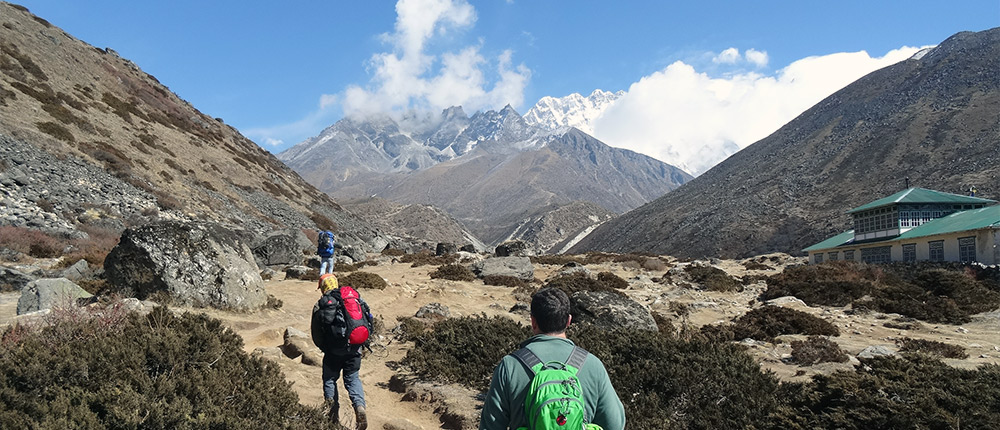
- Peaceful Trails, Fewer Crowds Imagine having the Himalayas almost to yourself. Winter is the off-season, meaning you won’t have to share the trails with hordes of trekkers. It’s just you, the snow, and the majestic mountains.
- Crystal-Clear Views Winter skies are incredibly clear, offering unobstructed views of snow-capped peaks like Everest, Lhotse, Nuptse, and Ama Dablam. If you’re a photography enthusiast, this is your chance to capture postcard-perfect shots.
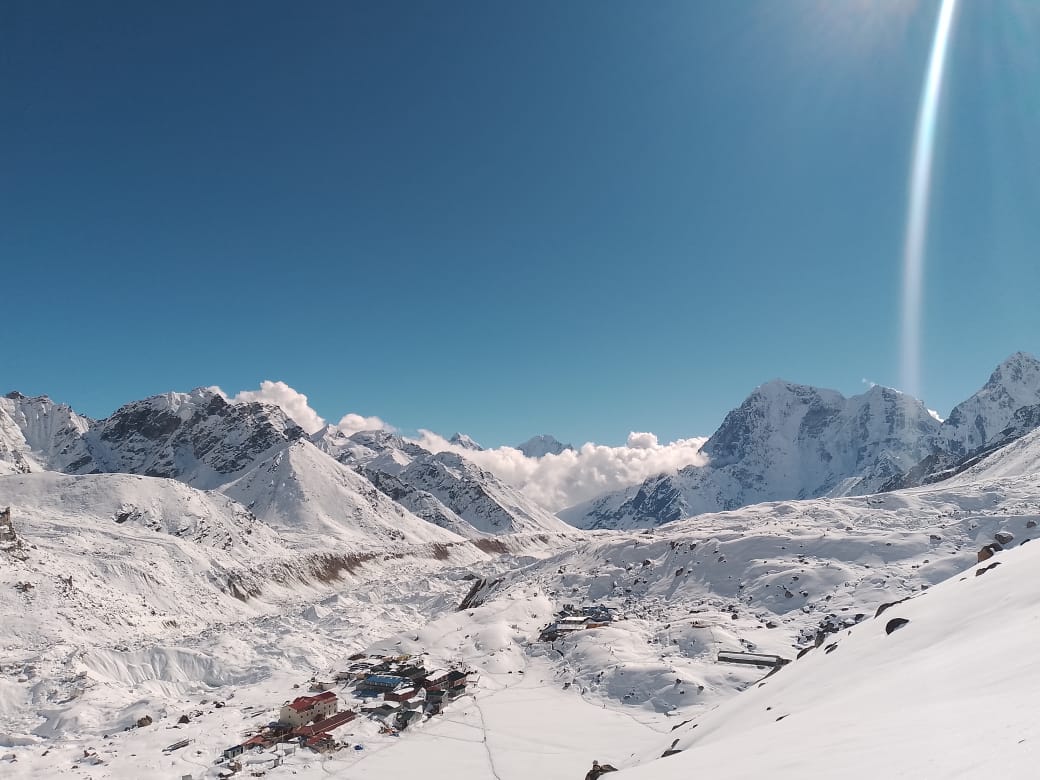
- A Winter Wonderland Picture this: snow-covered trails, frozen rivers, and charming Sherpa villages blanketed in white. Winter transforms the Everest region into a magical wonderland that feels like something out of a fairy tale.
- Budget-Friendly Adventure Since fewer people trek in winter, flights, accommodations, and guides are more affordable. It’s a great way to experience Everest without burning a hole in your pocket.
Challenges of Winter Trekking
While winter trekking is magical, it’s not without its challenges. Here’s what you need to be prepared for:- Bone-Chilling Cold Temperatures can drop to -20°C (-4°F) or lower, especially at higher altitudes. Packing the right gear is non-negotiable.
- Shorter Days Daylight hours are limited, so you’ll need to start your trek early and plan your days carefully.
- Slippery and Icy Trails Snow and ice can make the trails slippery and more challenging. Trekking poles and crampons are essential for stability and safety.
- Limited Tea Houses Some tea houses along the trail may close during winter due to fewer trekkers. Plan your accommodations in advance and be ready for basic facilities.
Best Time for a Winter Trek
The ideal time to trek to Everest Base Camp in winter is December to February. January is the coldest month, but it also offers the clearest skies and most stunning views. If you can handle the chill, this is the time to go!How to Prepare for a Winter Trek
- Pack the Right Gear
- Thermal base layers and insulated clothing
- A high-quality down jacket and sleeping bag (rated for -20°C or lower)
- Waterproof, sturdy boots with good grip
- Trekking poles and crampons for icy paths
- Hand warmers, thick gloves, and a warm hat
- Stay Hydrated and Energized Cold weather can make you forget to drink water, but staying hydrated is crucial. Carry a thermos for hot drinks and snack on high-energy foods like nuts and chocolate.
- Acclimatize Properly Altitude sickness is a real risk, especially in the cold. Take your time, follow a gradual ascent, and include rest days in your itinerary.
- Hire an Experienced Guide Winter conditions can be unpredictable. An experienced guide or porter can make your trek safer and more enjoyable.
- Check the Weather Keep an eye on forecasts and be ready to adjust your plans if needed. Winter storms can occasionally disrupt travel.
Highlights of the Winter Trek
- Namche Bazaar This bustling Sherpa town is a great place to acclimatize. In winter, it’s quieter and covered in snow, giving it a magical vibe.
- Tengboche Monastery Visit this famous monastery to witness Buddhist rituals and enjoy panoramic views of the surrounding peaks.
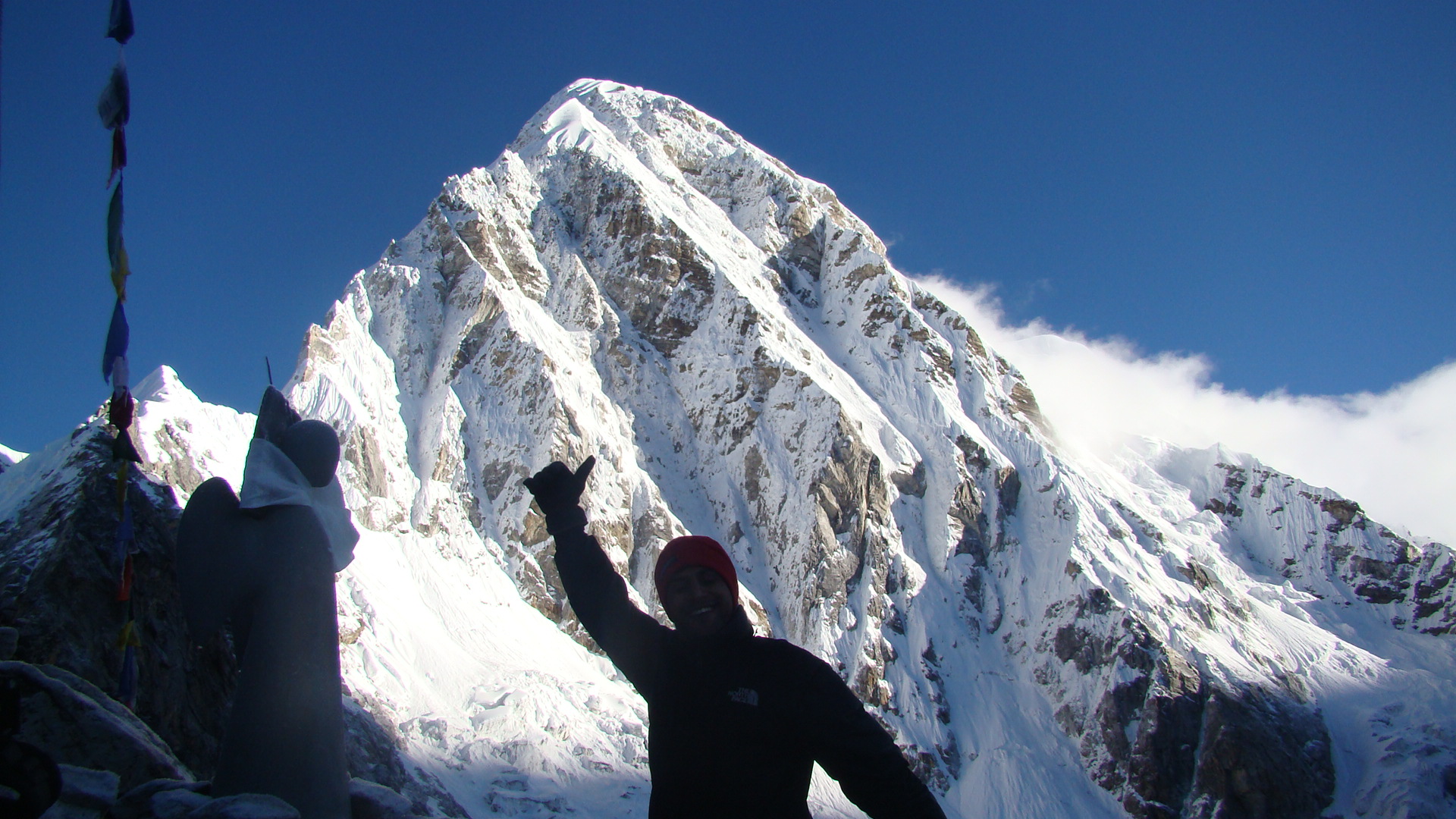
- Kala Patthar The hike to Kala Patthar (5,643m) is a trek highlight. The sunrise view of Everest from here is absolutely breathtaking.
- Everest Base Camp Standing at the base of the world’s highest peak is a surreal experience. In winter, the quietness adds to the awe.
Is the Winter Trek Right for You?
The Everest Base Camp Trek in winter is perfect if you:- Love adventure and solitude
- Don’t mind the cold and are prepared for challenging conditions
- Want to experience the Himalayas in their most pristine form
Finally
Trekking to Everest Base Camp in winter is a magical and unique experience. With fewer people, clear skies, and snow-covered landscapes, it’s a chance to see the Himalayas in a whole new light. Yes, it’s cold and challenging, but with the right preparation and mindset, it’s an adventure you’ll never forget. So, are you ready to lace up your boots, bundle up, and embark on the ultimate winter adventure? Everest Base Camp is waiting for you!
Tags:
#winter trek to Everest Base Camp
#Everest Base Camp winter guide
#trekking Everest in winter
#winter Everest trek
#Everest Base Camp winter tips
#best time for Everest Base Camp trek
#winter trekking Nepal
#Everest Base Camp winter challenges
#Kala Patthar winter trek
#Namche Bazaar winter
#Tengboche Monastery winter
#Everest Base Camp snow
#winter trekking gear
#Everest Base Camp off-season
Share this article
A
admin
Crafted for travellers who want grounded planning insight, mountain context, and a clearer feel for the journey before they go.